Central Basin Prescribed Burn Association
“Neighbors Helping Neighbors”
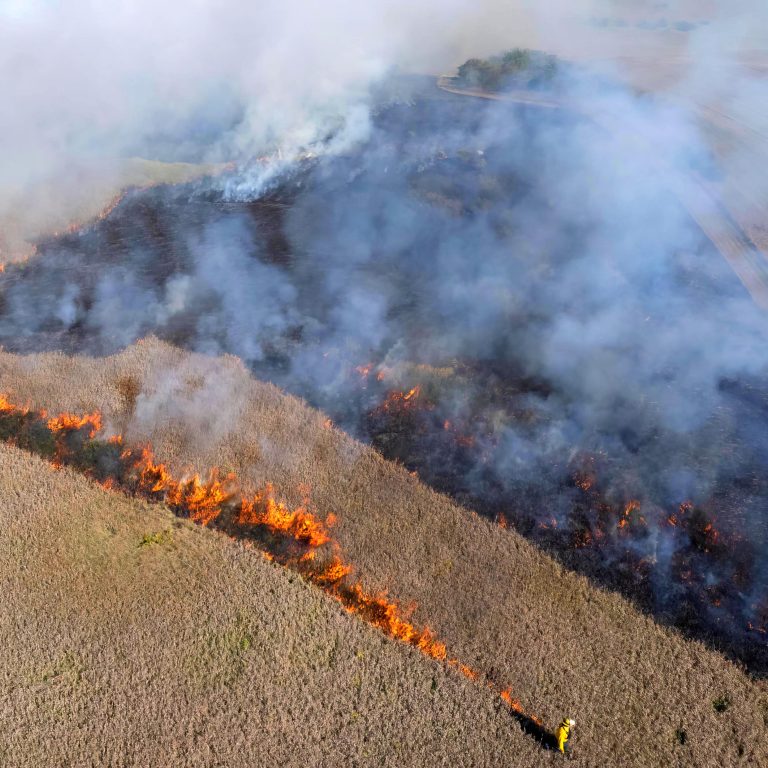
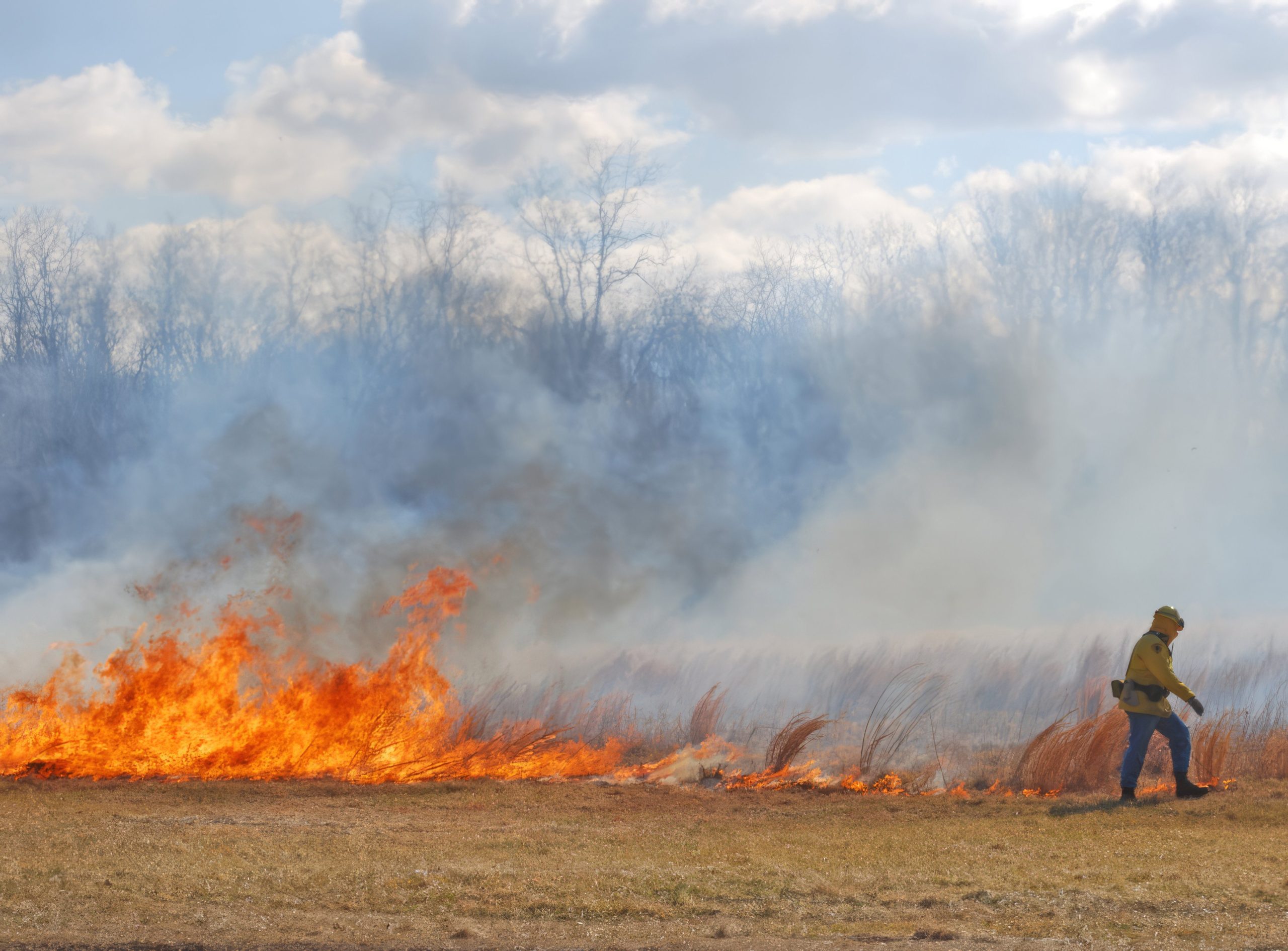
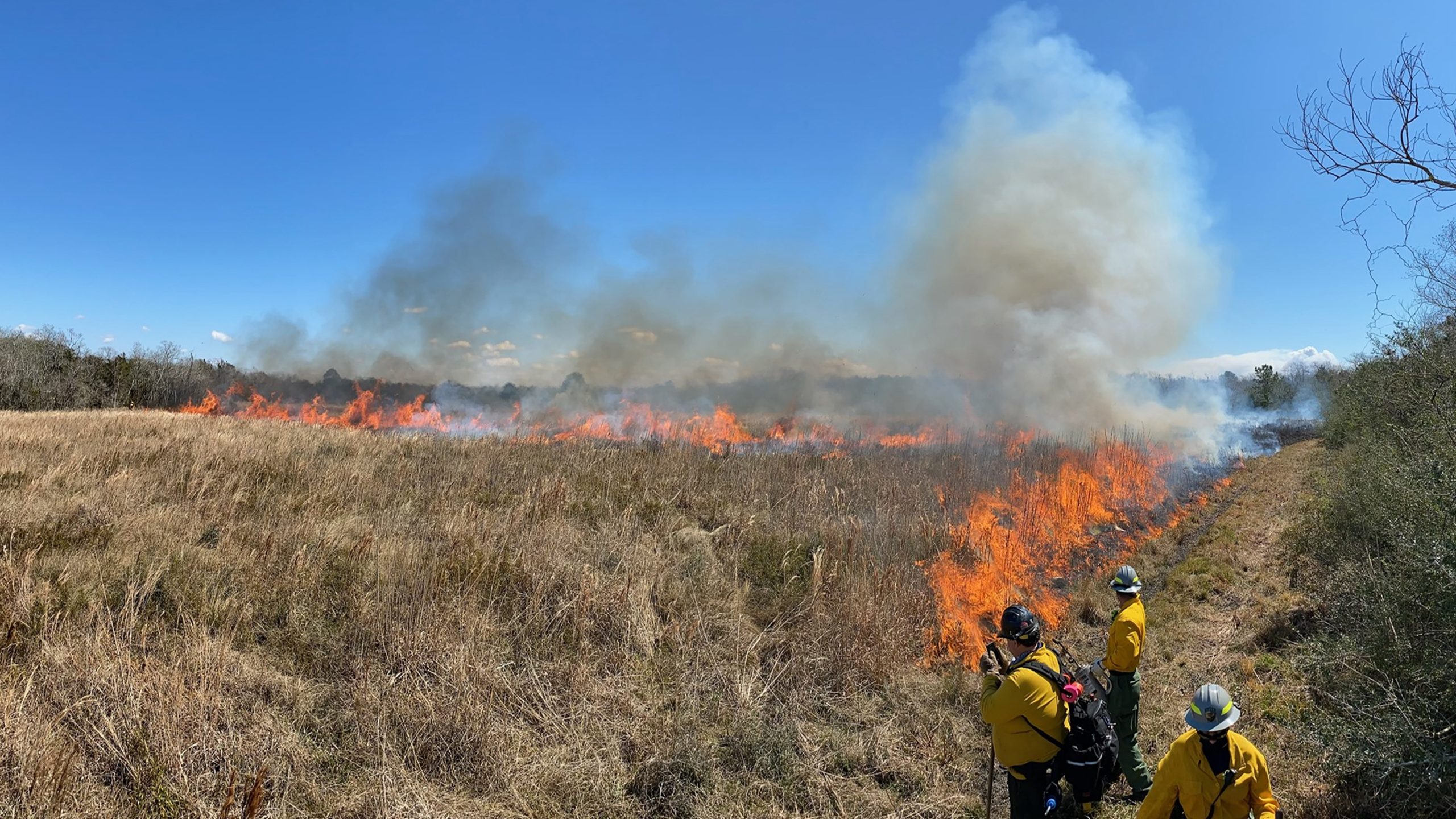
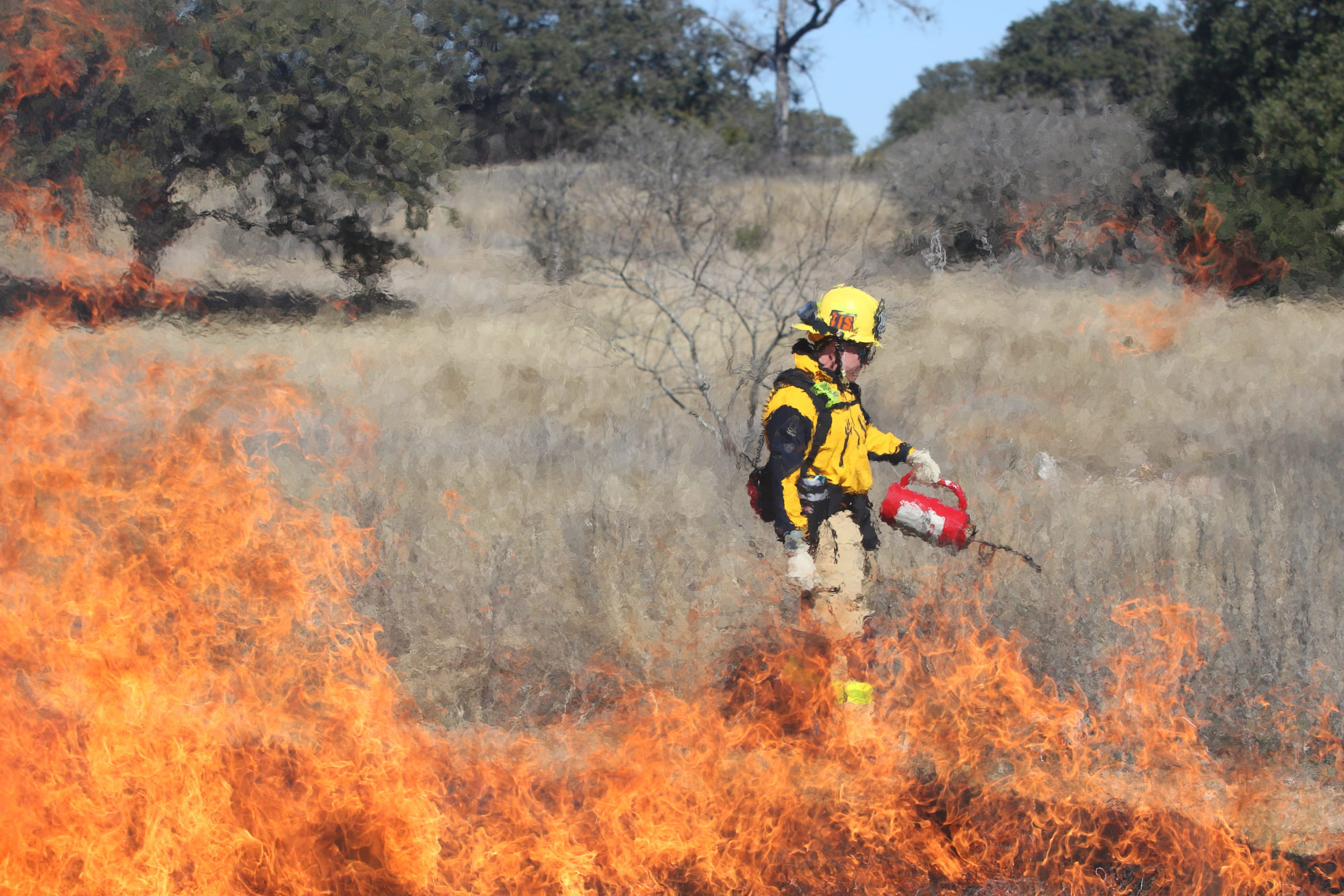
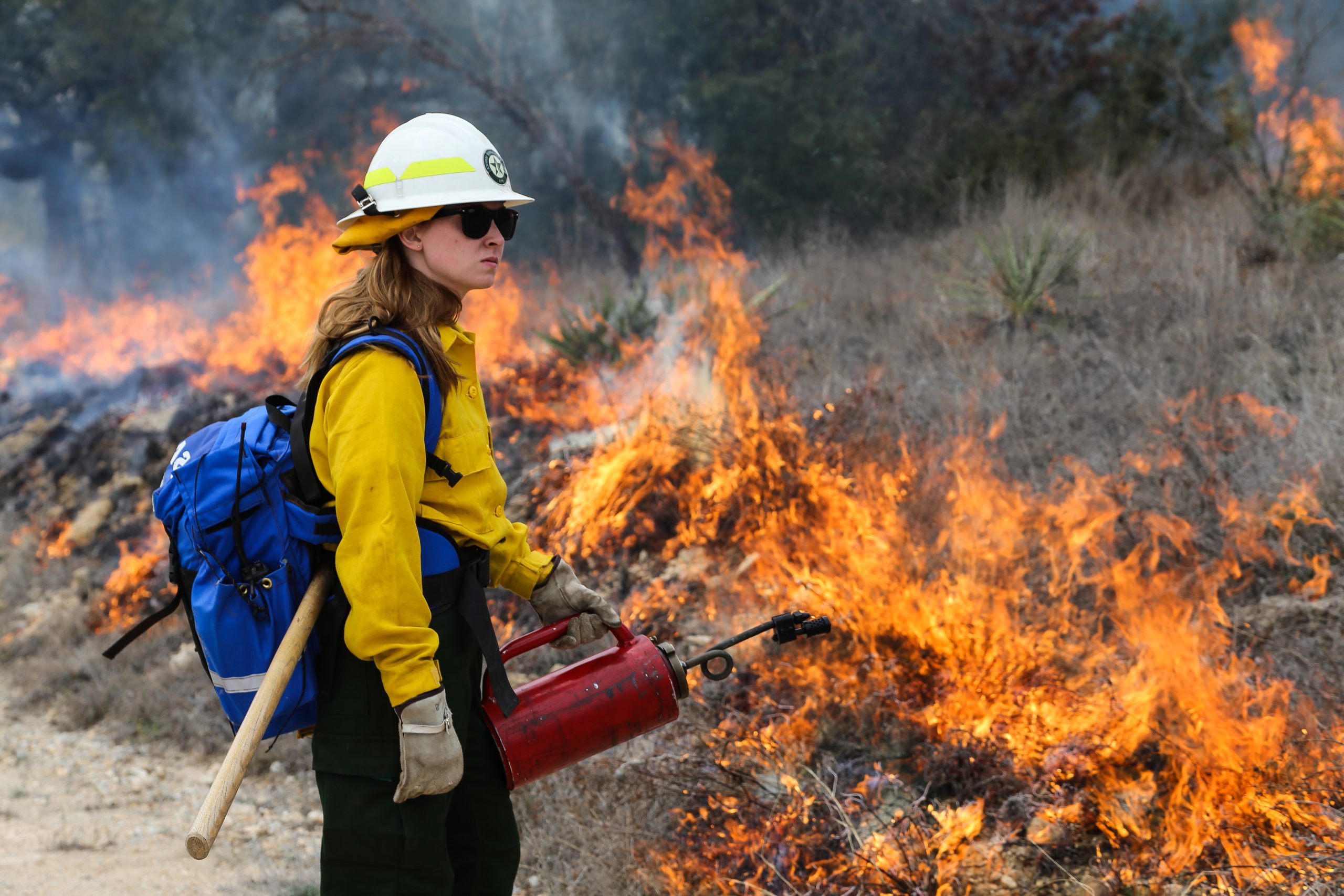
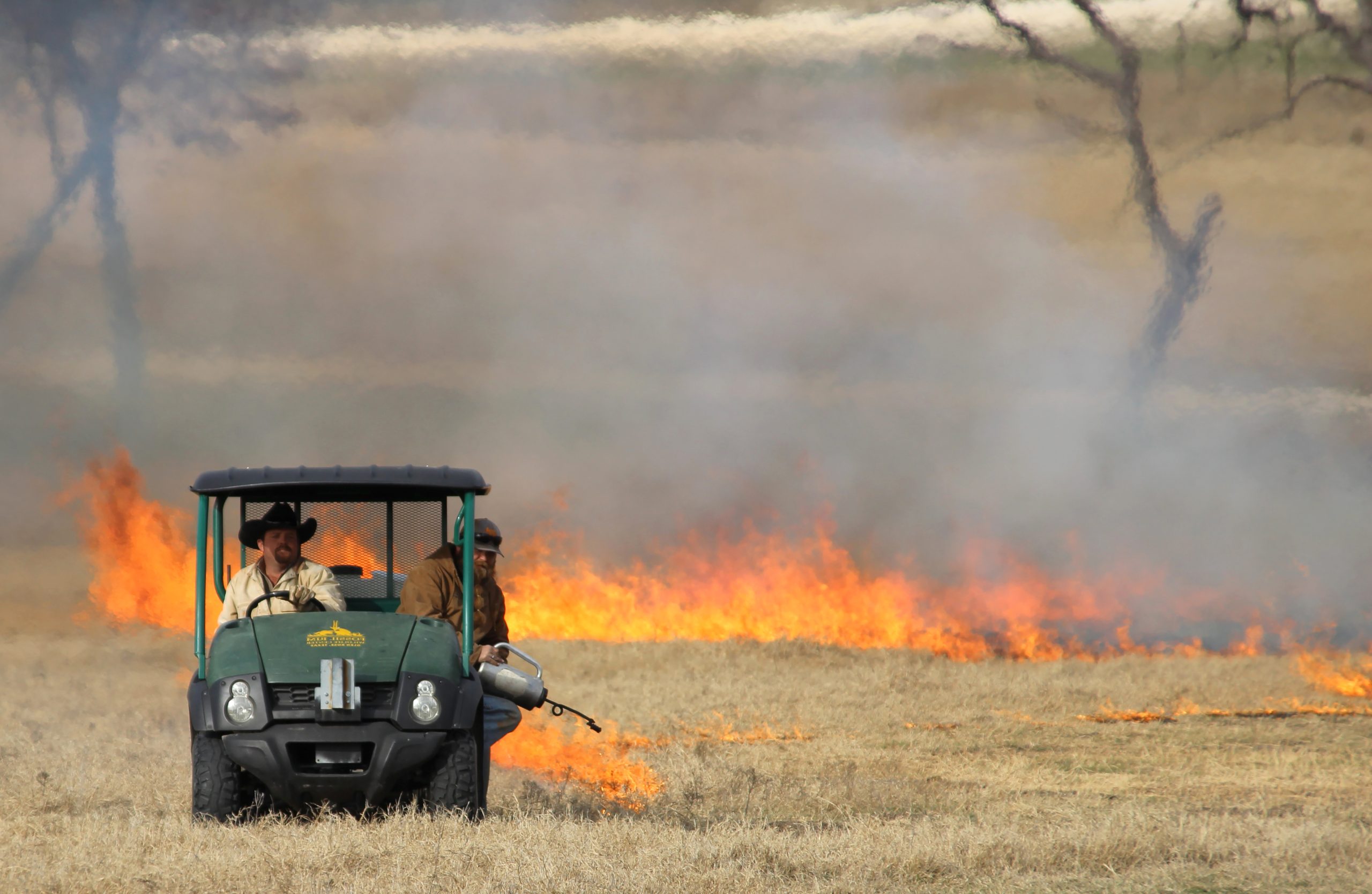
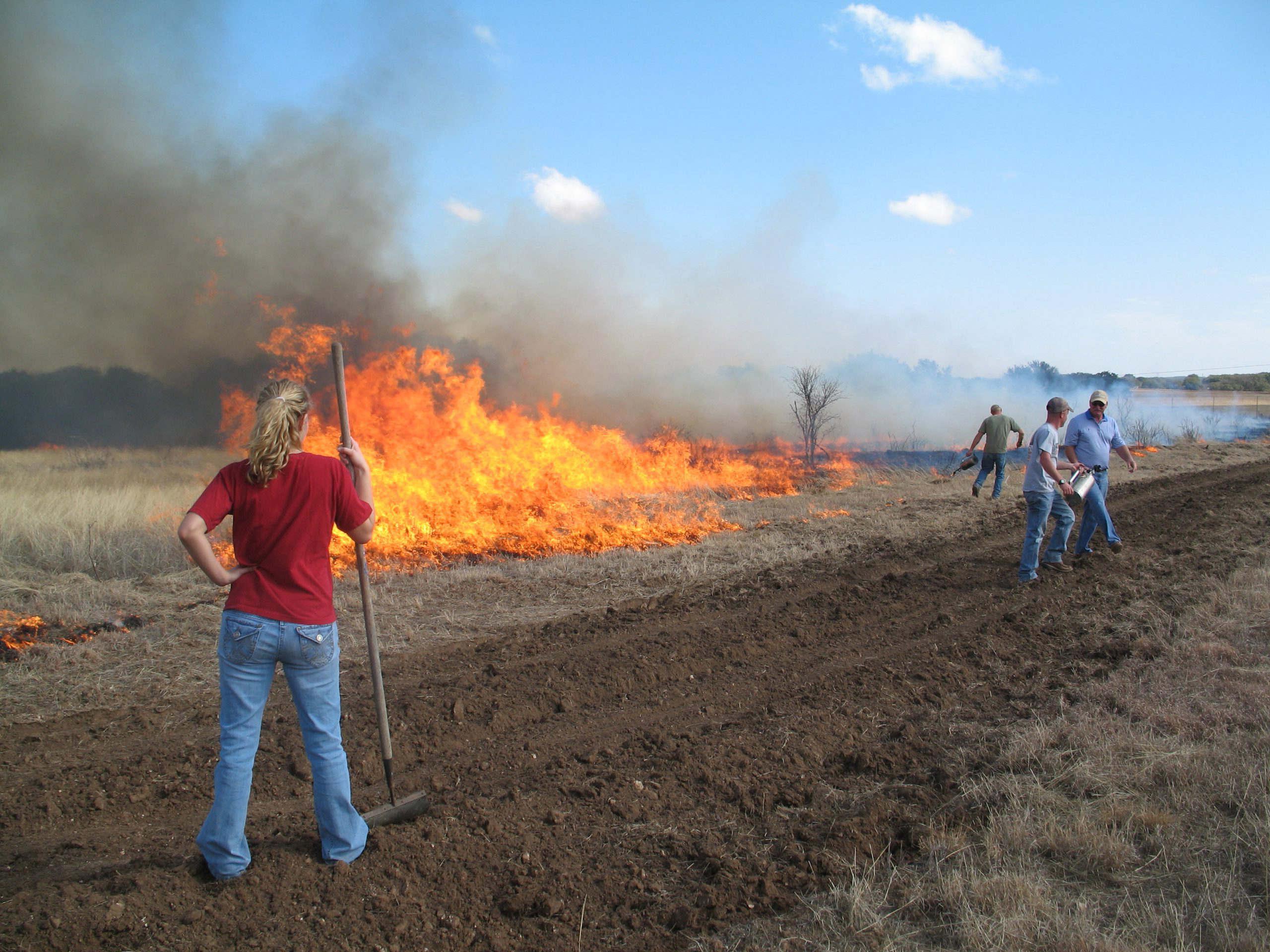
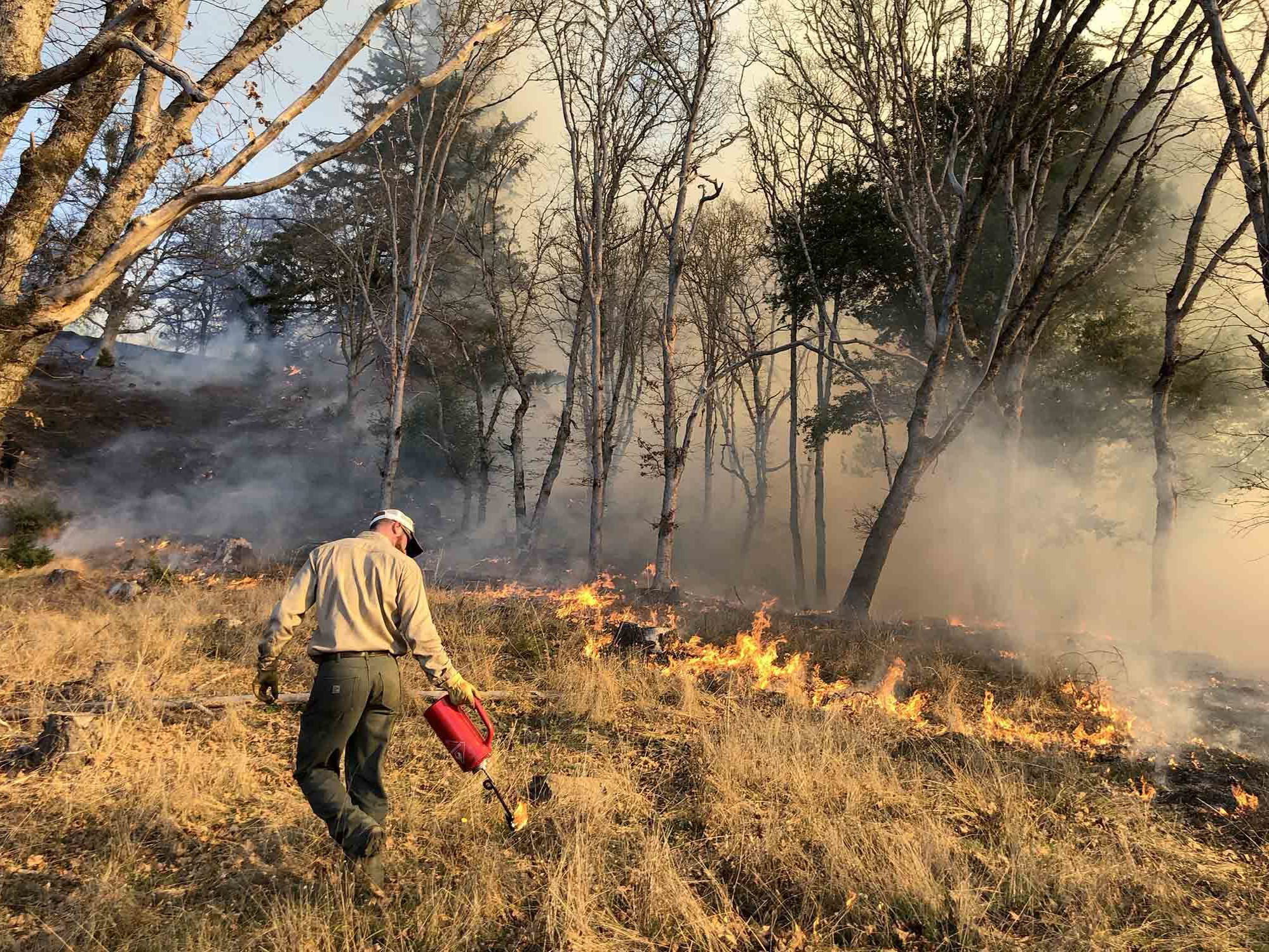
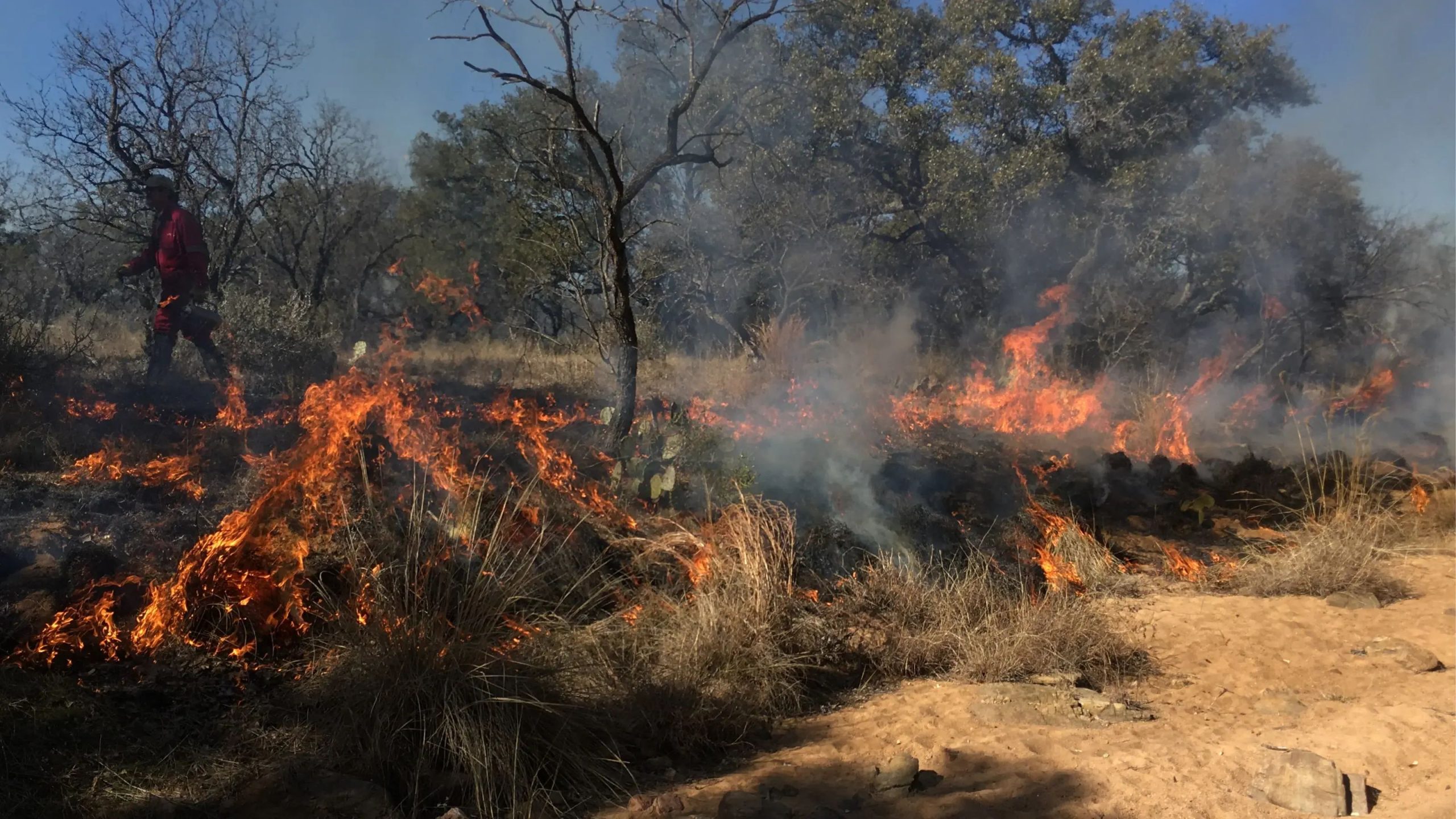
The Central Basin Chapter, CBPBA was started in 2002 by Ranchers realizing that fire is an integral part of our landscape. CBPBA in Mason County was organized by the need to return Fire to the landscape to make the land more productive, control woody plant encroachment, help hold water on the land, improve water quality and greatly reduce wildfire fuels.
Central Basin PBA does NOT conduct Prescribed Burns for the public or for hire.
We are a 501c3 non profit that is made up of our members.
Why Prescribe Burn My Land?
Increase Property Value
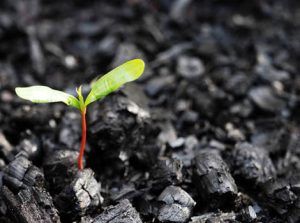
Improved Ag Productivity
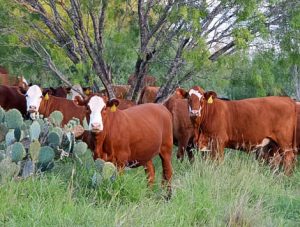
Wildlife Management Practices
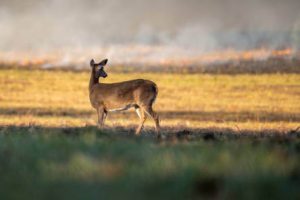
CBPBA Events Gallery
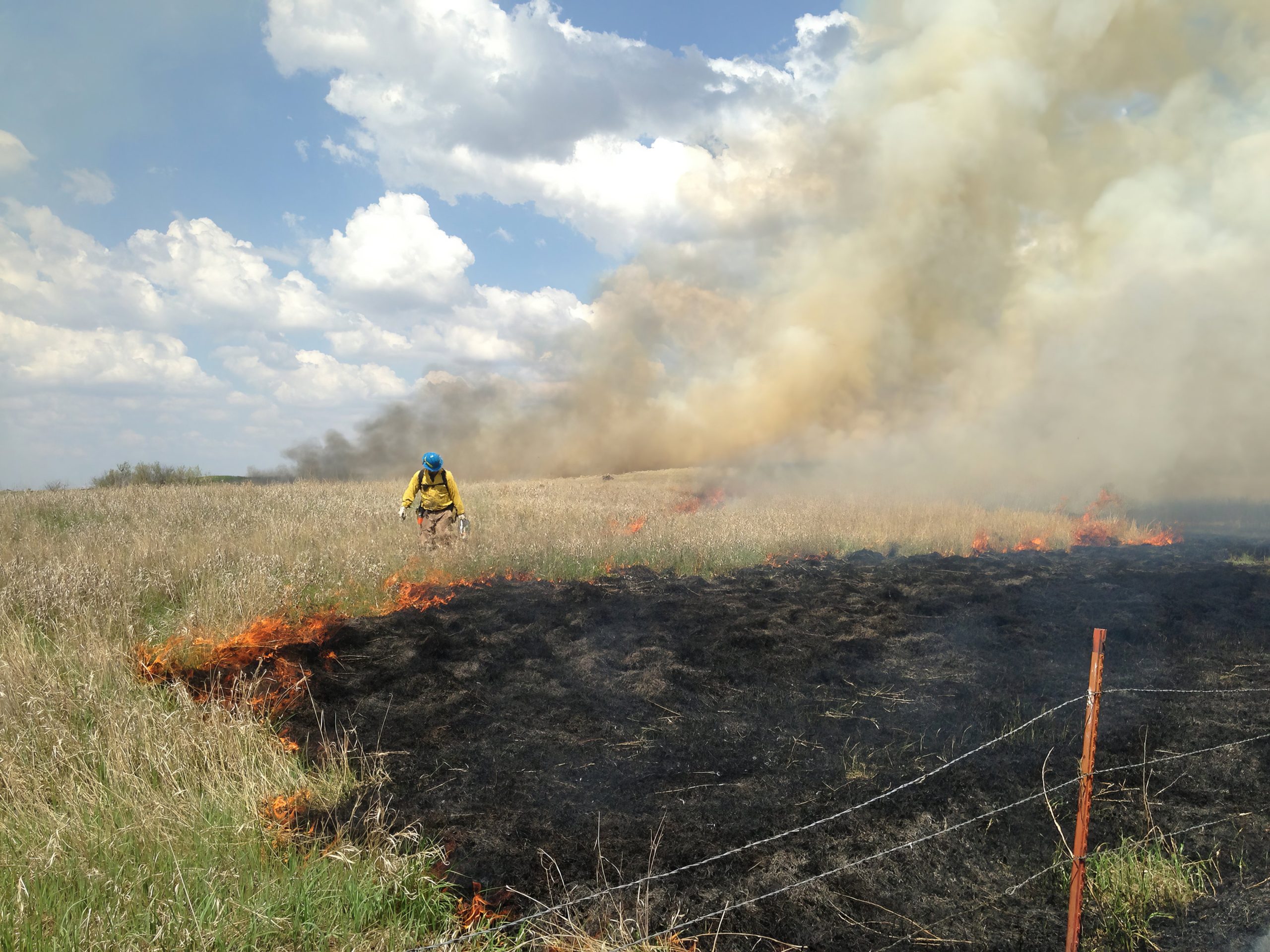
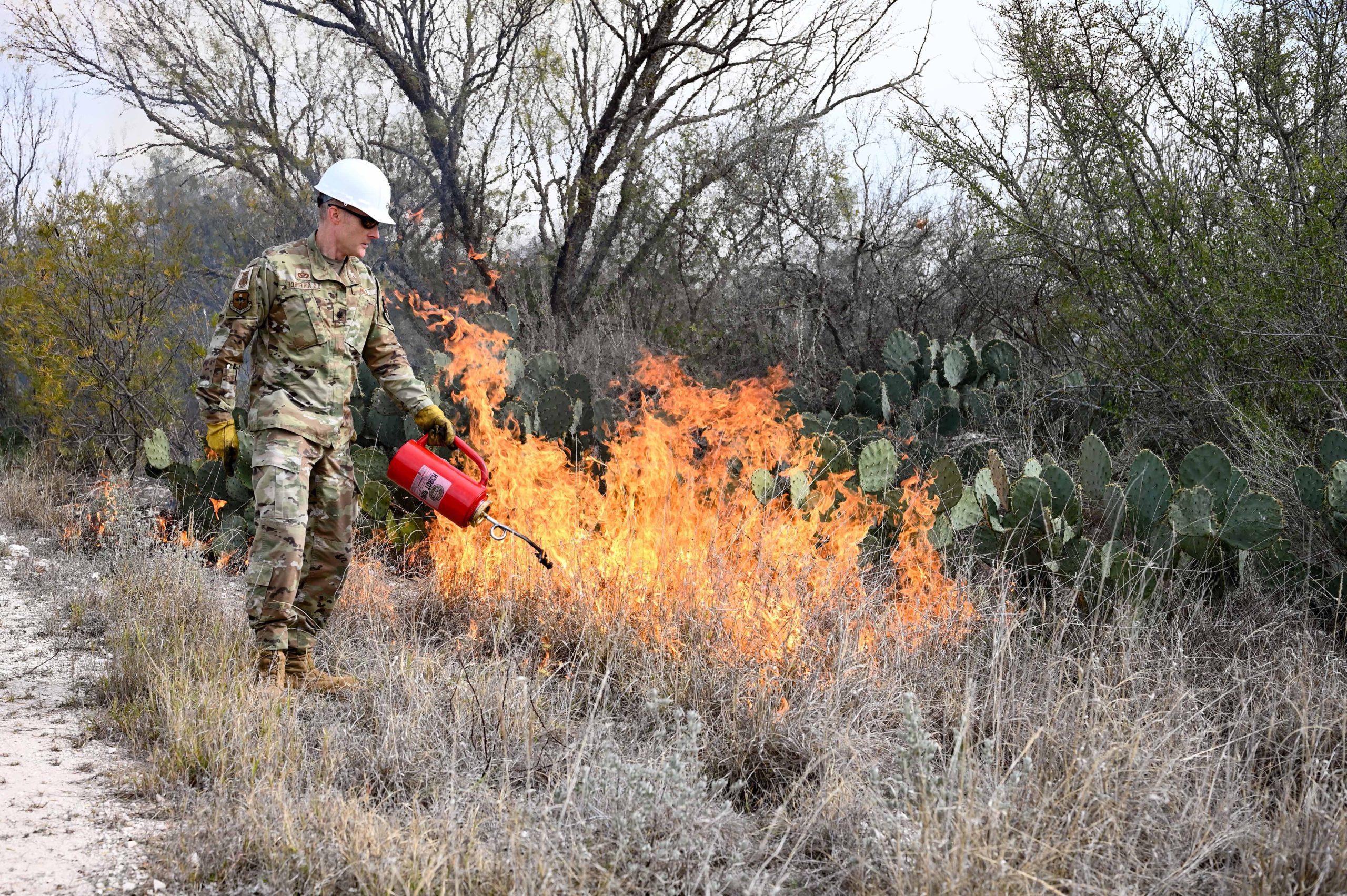
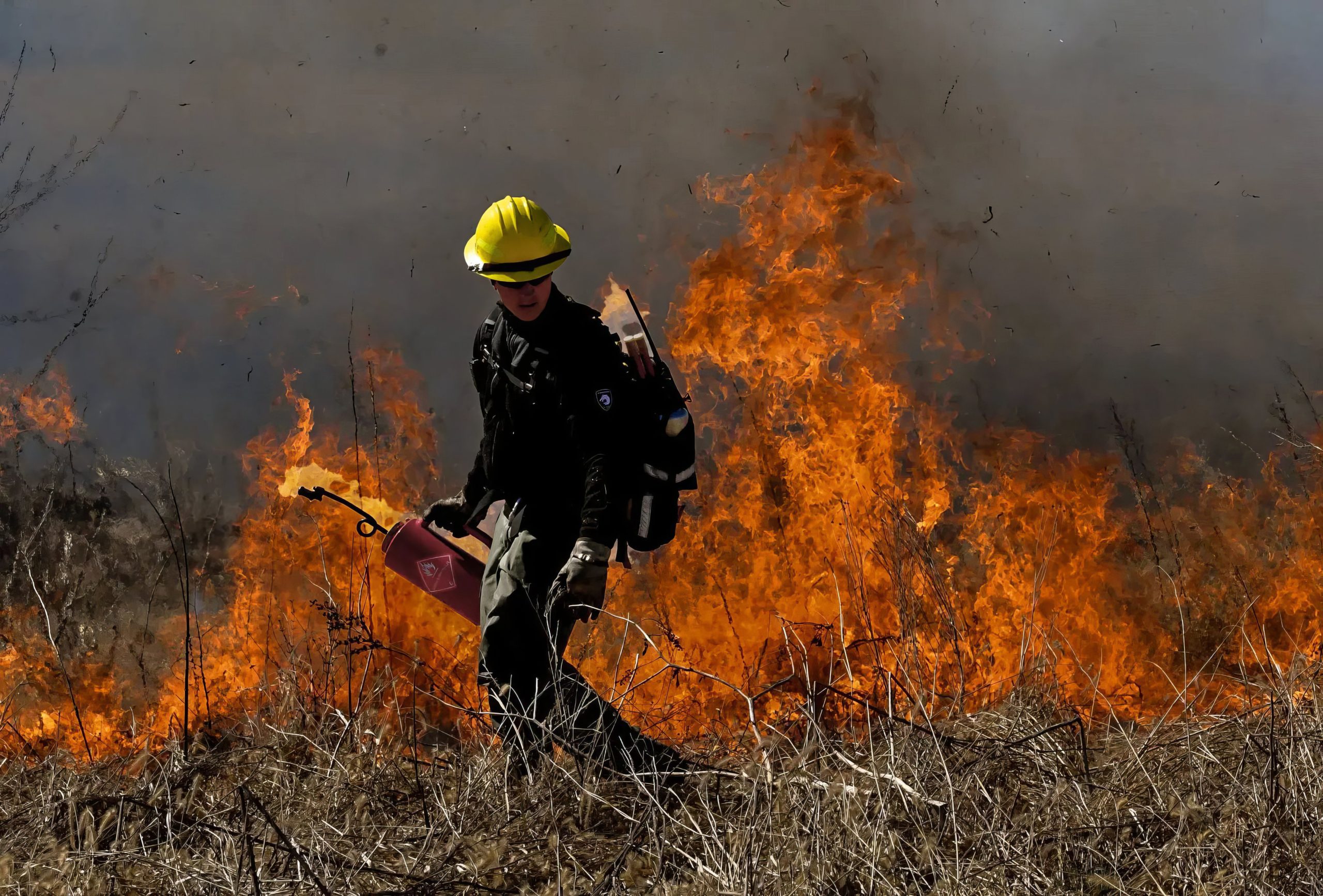
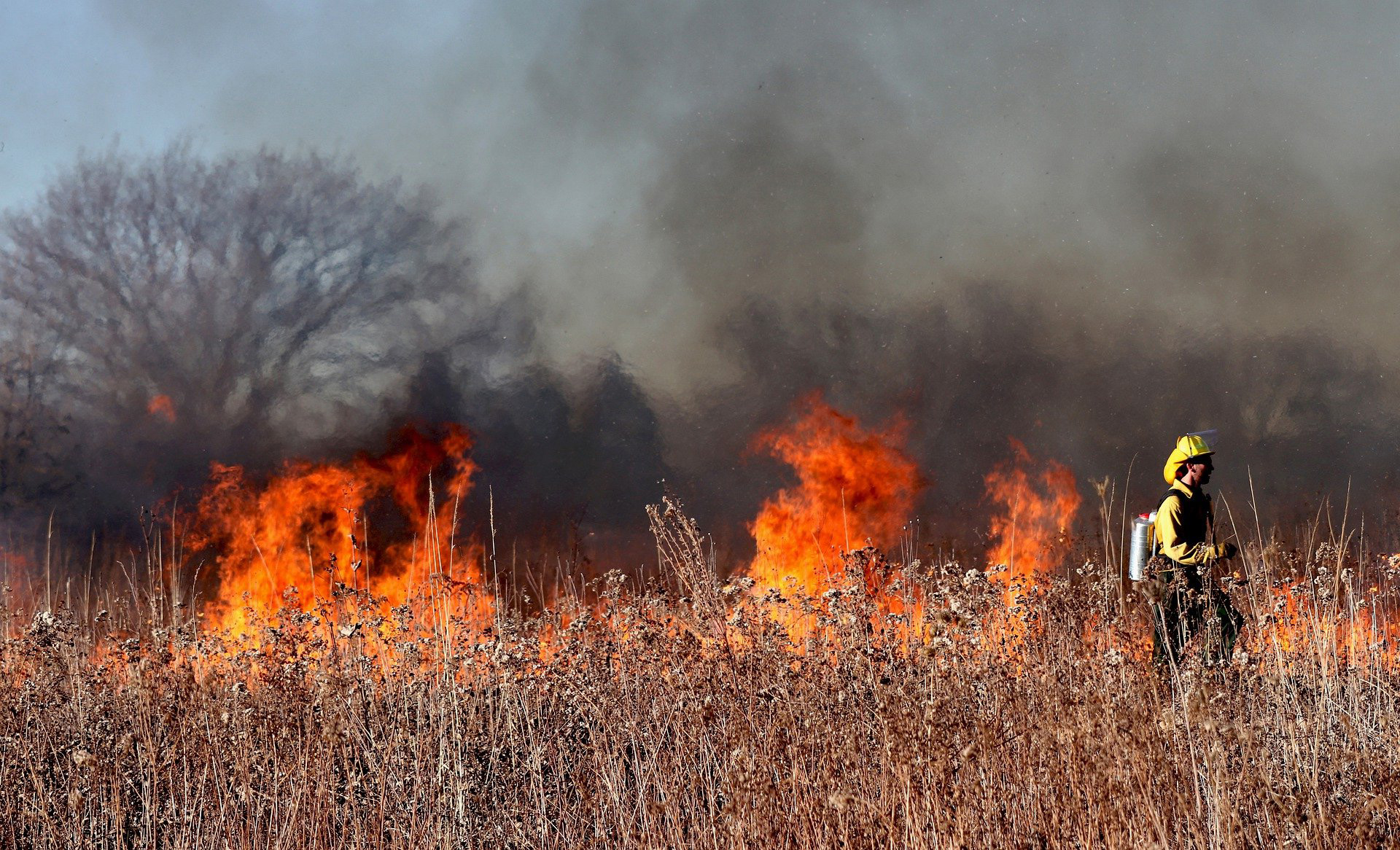
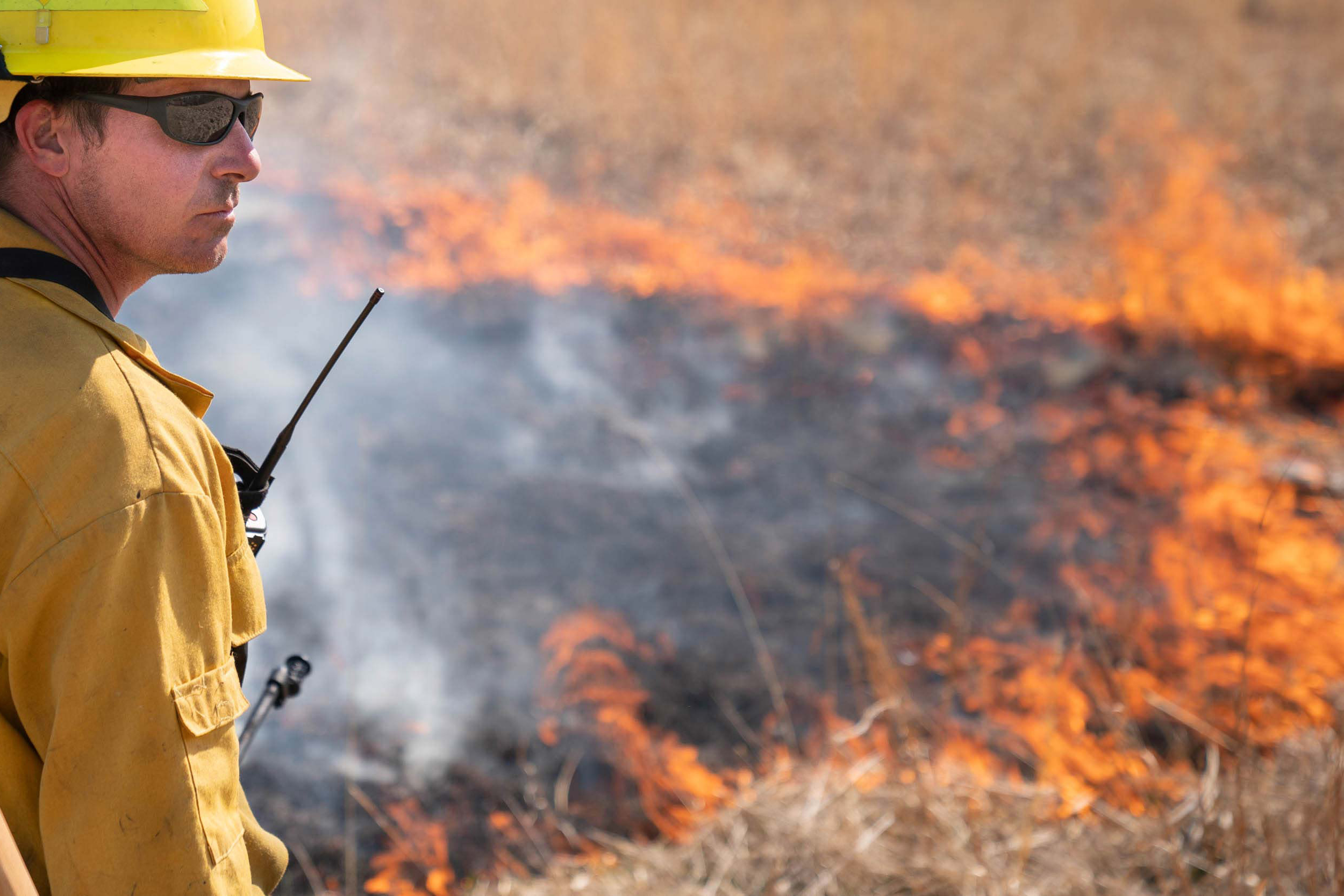
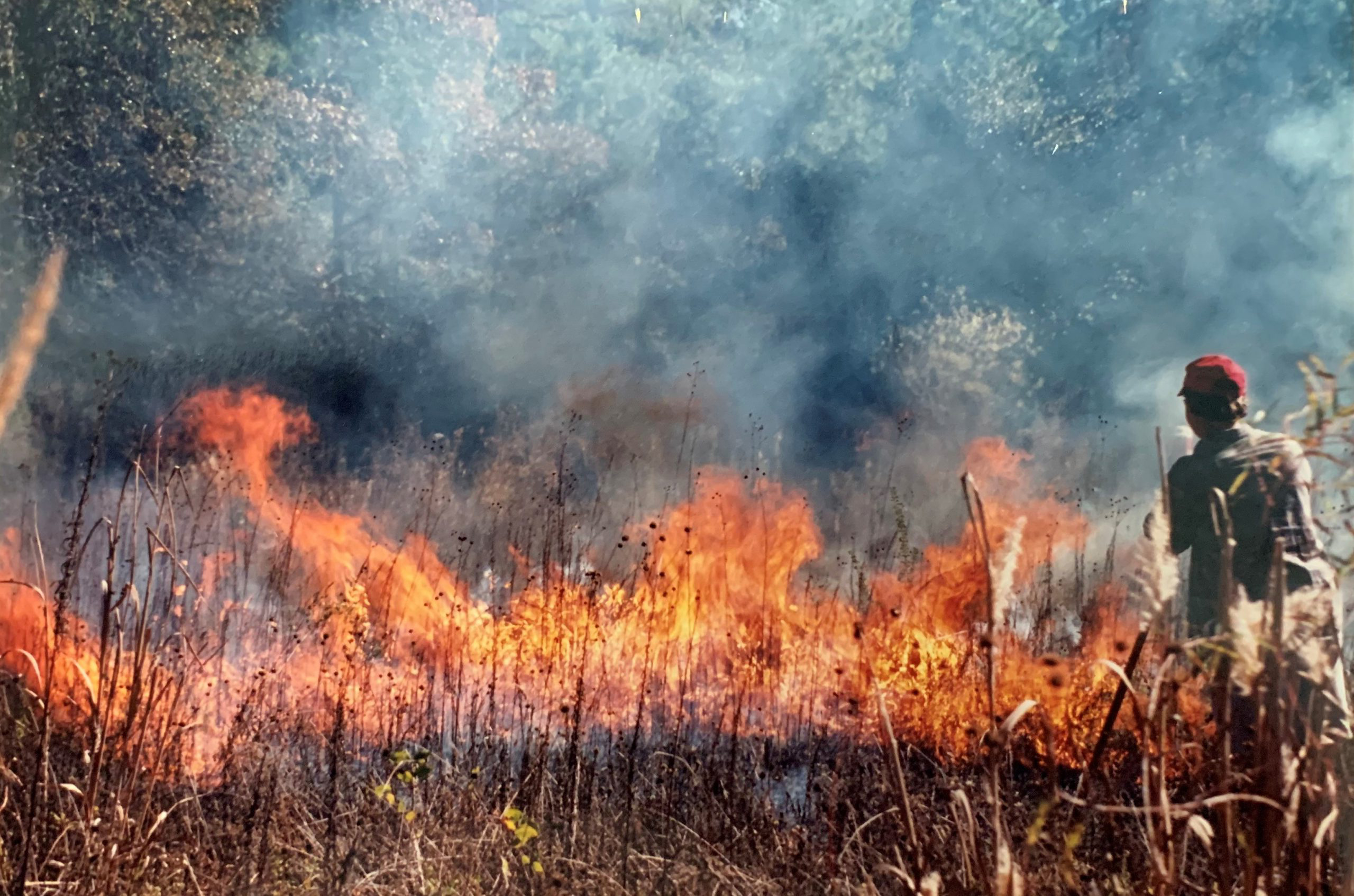
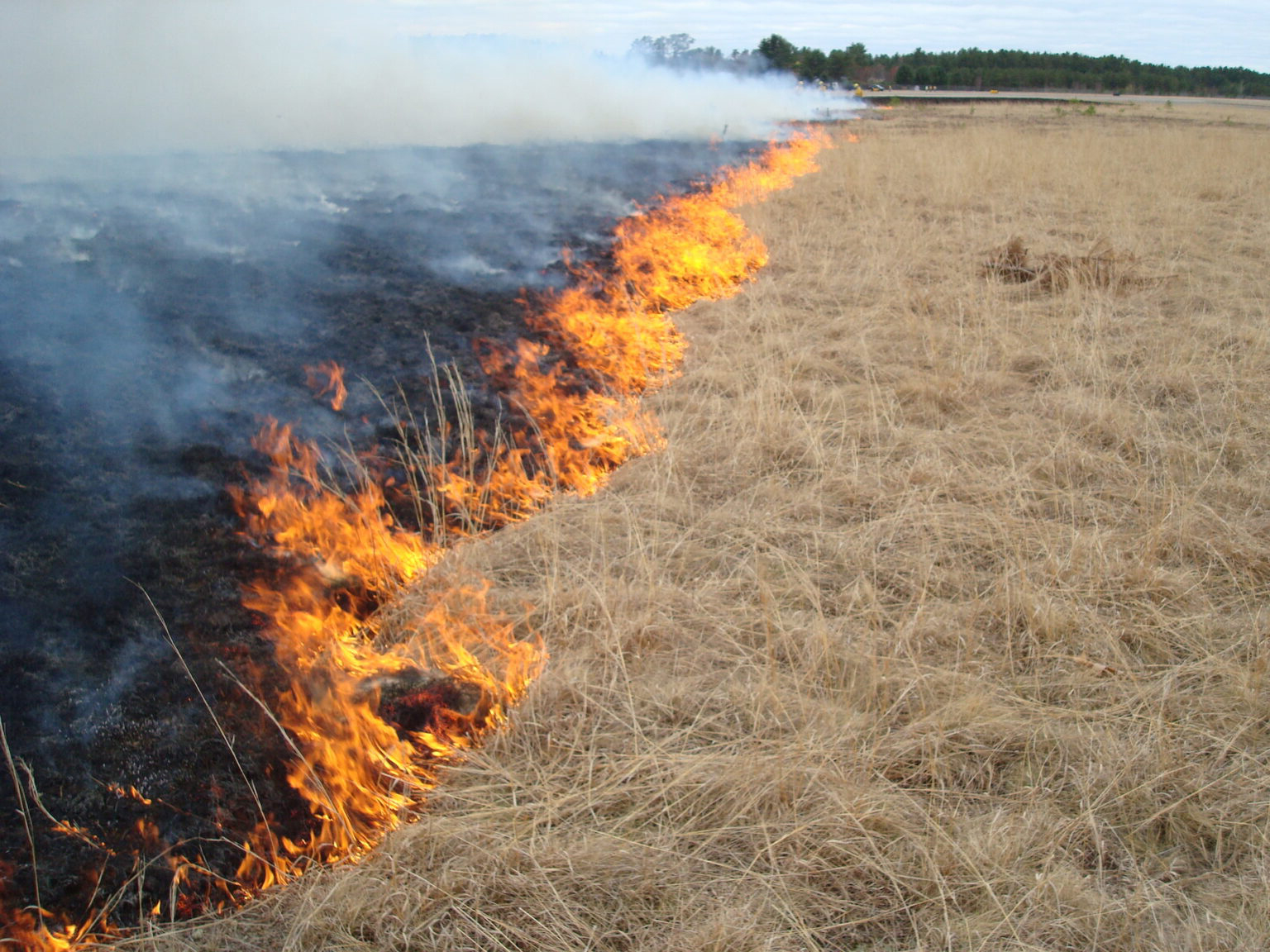
Latest News from Facebook
Texas Prescribed Fire Webinar Series: How to Create a Prescribed Burn Plan

Texas Prescribed Fire Webinar Series: How to Create a Prescribed Burn Plan
agriliferegister.tamu.edu
0 CommentsComment on Facebook
Texas Prescribed Fire Webinar Series: How to Create a Prescribed Burn Plan
Texas Prescribed Fire Webinar Series: How to Create a Prescribed Burn Plan
agriliferegister.tamu.edu
0 CommentsComment on Facebook
Prescribed Burn Resources
TPW Burn Template
Coming Soon.Frequently Asked Questions
Learn More PDFWhat is a reasonable expectation of results of Rx fire on a typical Hill Country property?
Prescribed fire is probably the most inexpensive way to control regrowth blueberry cedar (ashe juniper) and cactus. It can suppress the regrowth of redberry cedar, aguerita, mesquite, persimmon and other woody species. If you have ladder fuel beneath live oaks a fire will very likely destroy the canopy causing the oak to re-sprout from the root. Some managers see a benefit to bringing the canopy back to the ground where deer and livestock can graze it while others do not want to lose the live oak canopy. If you are one of the latter then mechanical removal of ladder fuels beneath live oak may be a necessary part of your preparation. Burning with different parameters can mitigate damage to live oak canopy but will also result in a less effective suppression of other woody species. An effective Rx fire needs fine fuel (grass) to carry it throughout the burn unit. A dense cedar break does not have adequate fine fuel to carry a fire. Even with very dry conditions and good wind a crown fire will only travel 50’-75’into a cedar break, so if the land you are attempting to treat is completely dominated by a cedar canopy, you will likely need to treat the land with mechanical or chemical treatments before using fire to prevent its regrowth. Fire invigorates growth of most grasses and promotes regrowth of highly palatable vegetative material that is most attractive to livestock and wildlife.
Where can I receive training and assistance with Rx fire?
There are a number of excellent resources to assist managers with implementation of Rx fire on their property. Each has advantages and disadvantages each manager must consider to find the solution that best fits their particular situation.
Are there Certified, Insured Prescribed Burn Managers?
These folks are professional burn managers licensed by the Texas Department of Agriculture who bring their own personnel, equipment, and liability insurance to a burn. They will plan and execute your burn. You will be responsible for hiring heavy equipment to install fire breaks on the burn unit but the CIPBM and his crew will conduct the burn. The huge advantage to the manager is that the CIPBM and his insurance are completely responsible under Texas statute for the fire absolving the landowner/manager from all liability. The cost of hiring a professional will easily run between $5,000-$15, 000 for 100-300 acres burn units. That is a small price for many to pay for the assurance that an experienced professional with his own insurance is conducting the burn.
Are there Agencies that assist with Rx fire?
There are a number of state and federal agencies that can assist landowners with implementation of Rx fire. Most counties in Texas have a federal Natural Resource Conservation Service (NRCS) office. These folks oversee a number of beneficial land management practices. They can assist with writing burn plans, providing maps, technical advice, and at times can even assist with your burn providing they are not sharing the cost of the burn under one of their conservation program practices. This is a wonderful starting point for many who are newly introduced to the practice of Rx fire. The down side NRCS faces is lack of adequate burn authority for their personnel. Your local NRCS folks may be able to write your burn plan but if that person lacks authority to attend the burn for a variety of agency constraints (terrain, size of burn, fuel load, etc.) they may not be able to actually participate on your burn. You will be the named burn boss on all burns in which any agency or burn association assists so you and your insurance bear liability for all negative outcomes of your burn.
Texas Parks and Wildlife Department (TPWD) is a state agency with an entire division dedicated to teaching and assisting managers to implement Rx fire in Texas. TPWD provides training and technical assistance to landowners/managers wishing to utilize Rx fire. They can write your plan (with you as burn boss assuming all liability) and even bring a crew with equipment to assist with your burn. The two major disadvantages TPWD faces is that there are only four managers to serve the entire state (with each serving over 60 counties) and they must prioritize TPWD property burns over landowner assistance. While TPWD has emerged as one of the greatest landowner resources for Rx burning in Texas, the waiting line for their assistance can be a little long while a manager is looking at a limited number of favorable burn day weather scenarios for his property.
Texas Agri-life Extension also provides extensive training resources to Rx burners bringing managers in contact with a broad range of experts in the Rx fire arena. They provide much information and technical training to those interested in Rx fire.
Note: It is the goal of all agencies to train new practitioners in order that they may become selfsufficient and conduct their burns without further agency participation by developing their own crew or by working with a local cooperative.
Local/Regional Prescribed Burn Associations?
Prescribed burn associations (PBAs) are local/regional cooperatives which provide shared equipment, resources, and a list of volunteers (generally local landowners/managers) to assist their membership with Rx burns. Each PBA exists to connect members, provide access to shared equipment, and coordinate burns within the county or area they serve. These associations charge dues and have their own government and policies regarding conducting fires in that area. They usually work with county governments and emergency responders as well as interacting with the public to promote the practice of burning in a particular geographic area.
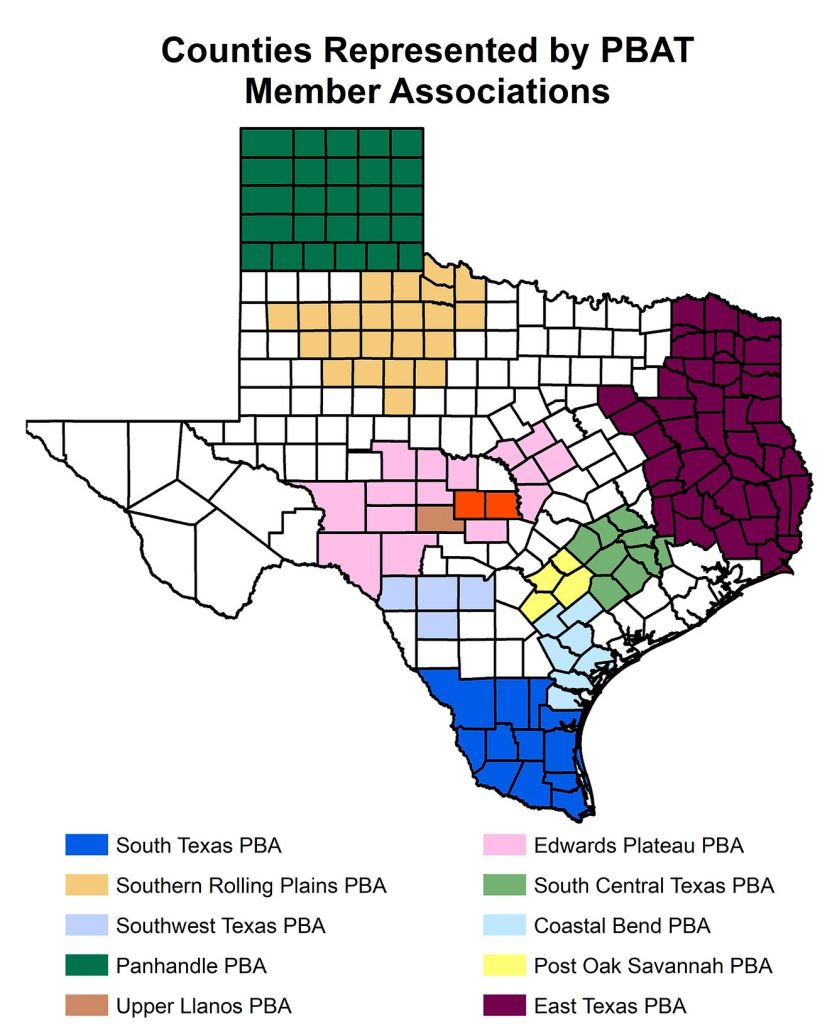
Most of these associations also work with NRCS and TPWD to assist with both equipment and experienced personnel. PBAs DO NOT CONDUCT BURNS for members nor do they assume any liability for a member’s burn. Their model is one of “neighbor assisting neighbor” and most require new members to participate on a number of member burns before they can use association resources to conduct their own. There are a number of PBAs throughout the state whose members have extensive experience with fire. A major disadvantage for absentee landowners with the PBA model is the difficulty attending member burns to gain the requisite experience to conduct their own burn, particularly when burns must be scheduled and often rescheduled due to changing weather forecasts. A comprehensive list of PBAs and the areas they serve may be found on the Prescribed Burn Alliance of Texas webpage (pbatexas.org).
Hopefully this information will help you select the best solution to implement fire on land you manage and assist with the development of a renewed fire culture in your area.
State-Wide Prescribed Burn Associations
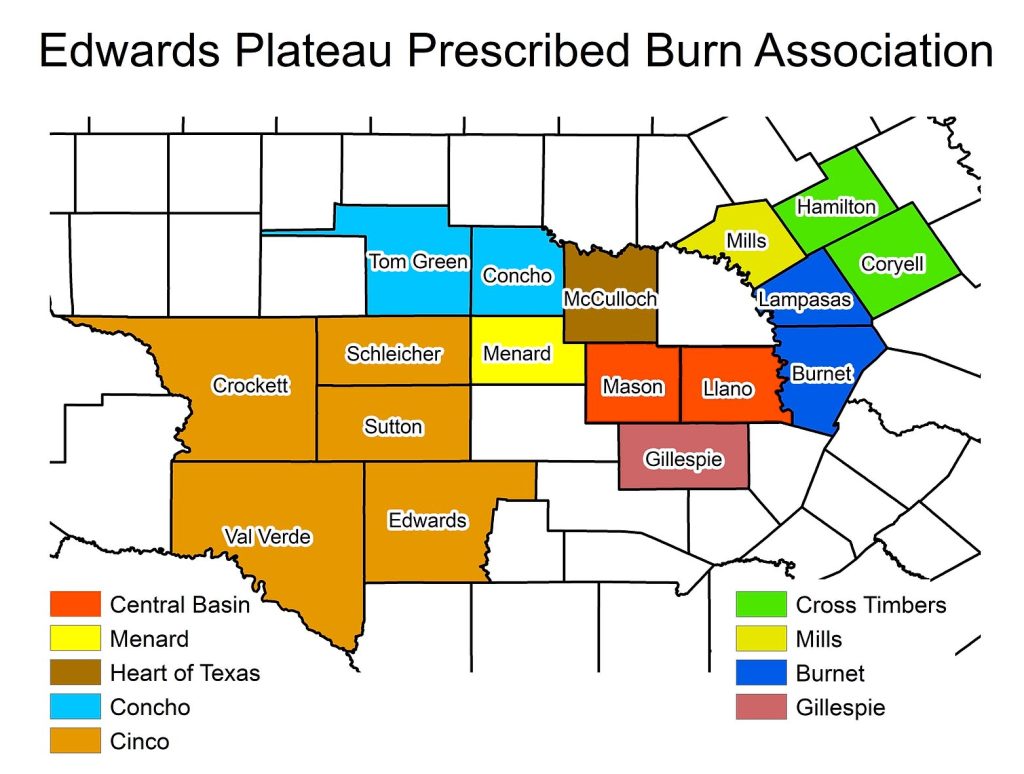
EDWARDS PLATEAU PRESCRIBED BURNING ASSOCIATION
Butch Taylor, EPPBA president: 325-226-3942
EPPBA has more than 200 members who represent over a million acres of rangeland. Application of prescribed fire on these rangelands improves wildlife habitat, water quality and yield, carrying capacity for domestic livestock and restores their historical diversity and productivity.
With neighbor helping neighbor, we are working together to restore the productivity and ecological stability of Edwards Plateau Rangelands.
Certified and Insured Prescribed Burn Managers (CIPBMs) are licensed by the
Texas Department of Agriculture and approved by the Prescribed Burning Board.
For information about CIPBMs, see the TDA website:
https://www.texasagriculture.gov/Home/ProductionAgriculture/PrescribedBurnProgram.aspx
Texas Parks and Wildlife Wildland Fire Management.
Prescribed Fire, Education/Outreach, Wildfire Response
https://tpwd.texas.gov/landwater/land/wildland_fire_management/
Chris Schenck
Wildlife Division
Statewide Fire Program Leader
903-343-2437 cell
chris.schenck@tpwd.texas.gov
USDA-NRCS
Texas Natural Resources Conservation Service
https://www.nrcs.usda.gov/wps/portal/nrcs/site/tx/home/
Kimble County Field Office
902 College St. Junction, TX 76849
325-446-2722 ext 3
Donations & Sponsors
Contact Us
Central Basin Chapter of the
Edwards Plateau Prescribed Burn Association
PO Box 591
Mason, TX 76856
Brian Wright
President
210-414-3044
Website Design by Jackrabbit Studios